I want to help someone who might be having a problem
How can I identify a problem gambler?
Important factors influencing the further development of a player’s behavior include not only biological factors but also the player’s background, support system, and safety net. The Responsible Gaming project combines prevention, access to tools and professional assistance, as well as the development and refinement of methods for operators to detect such behavior.
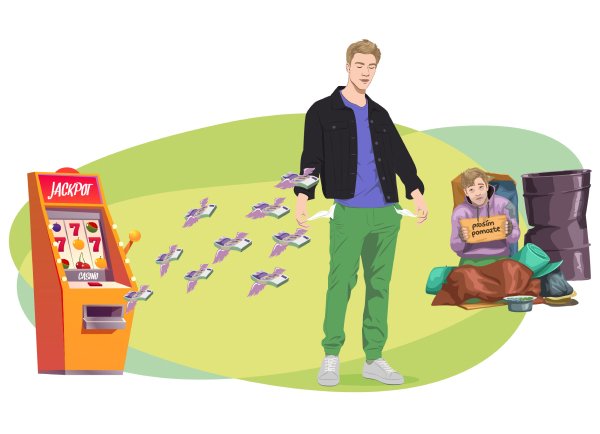
General Symptoms
It’s not easy to spot problem gambling in someone close to you, because people who develop this problem don’t show any physical changes or other signs that would indicate they actually have a gambling problem. What does happen, however, and what you might notice upon closer observation, are changes in behavior, emotions, and health—and, above all, financial worries.
Chování
- His or her eating, sleeping, and sexual behaviors are changing
- He borrows money
- He or she is no longer engaging in activities that he or she used to enjoy
- He doesn't want to spend money on anything other than gambling
- Neglects themselves, their work, school, or family matters
- He organizes bets in his circle of friends (for example, with coworkers on sports)
- He's often late for work
- He or she is often unavailable or away for long periods of time and can't explain why
- His/her level of responsibility has decreased
- He cheats or even steals
- Has increased their consumption of alcohol or other addictive substances
- He's getting into trouble with the law because of gambling
- He acts in a confrontational manner
Emoce
- He keeps his distance from those close to him—both family and friends
- He seems distracted and has trouble paying attention
- Does he or she have problems with anxiety or restlessness?
- He often says he's bored
- He is moody and suffers from outbursts of anger
- Is he emotionally deprived, or does he even have suicidal tendencies?
Peníze
- He borrows often
- Valuable items are starting to go missing from the household
- He takes advance payments from his employer against his paycheck
- He's selling off his stuff
- He's taking on more work, but it's not reflected in his income
- Money is disappearing from joint accounts without explanation
- He withdraws money from various savings accounts and financial products
- There are periods when she spends recklessly, alternating with periods when she has almost nothing
Zdraví
- Typically, this condition is characterized by excessive stress and the associated symptoms
- Sleep Problems
- Headaches
- Overeating or, conversely, loss of appetite
- Stomach and intestinal problems
How can I help him?
Do you want to help someone who may have a problem with problem gambling, but you don’t know what to do or how to handle the situation? Unfortunately, there is no guaranteed solution. What works varies from person to person. Although this is a highly individual matter, we’ve put together some practical advice and contacts for professional help.
A person struggling with problem gambling is emotionally unstable. They are under a great deal of pressure that they have brought upon themselves. That’s why it’s a good idea to gather as much information as possible before trying to help someone, so that you can understand their situation as fully as possible. That way, you’ll be better able to help them.
It’s not easy to tell someone close to you that you think they’re a problem gambler. After all, they themselves may not even admit that they have a problem. Or they may convince themselves that they have their gambling under control.
If you're worried about someone close to you, the tips below may help:
- When you talk to someone about their risky gambling, it’s important to let them know that you’re concerned about them and that you care about them.
- If you can make them feel understood, they’re more likely to speak openly.
- This will allow you to work out a plan to help them together.
- Although it may be difficult, try to stay positive during the conversation and avoid anything that might invite criticism or cause confrontation.
- By describing how you feel, you can break through the gambler’s defensiveness and keep the conversation open.
We've prepared a few examples to help you start a conversation on this topic. But don't forget to be yourself so that what you say sounds natural and sincere.
- “I’ve noticed you’ve been gambling a lot lately, and it’s started to worry me.”
- “You’re my friend, and I care about you a lot, which is why I’m telling you this. I’m upset because I’ve seen you doing things that are really risky.”
- “I can tell you’re not happy right now, and that upsets me. I want to help you.”
- “I love you, and I don’t want you to hurt yourself. Talk to me about what’s going on.”
- Once you start the conversation, be patient and listen carefully to what he says without being judgmental. Try not to interrupt him, as that might prevent him from opening up. It’s important to be calm and caring, but be careful not to let him make excuses for his risky behavior.
It may sound selfish, but protect your finances and your login credentials from a problem gambler. Otherwise, their problem could get even worse and damage your relationship. If someone close to you is experiencing financial difficulties due to gambling, they should definitely take advantage of all the self-restriction tools offered by the operators. At the same time, they can contact their bank and our financial advisors to actively address the situation.
Giving or lending money to someone who gambles recklessly can make their problem even worse. Instead, think about setting up a system that rewards their positive behavior. For example, you might consider not lending them money if they continue to gamble. However, if they cut back or stop gambling, you can offer to help them pay off their debts.
For example, some players may start convincing themselves that once they pay off all their debts, it will be as if nothing ever happened. If they don’t set clear rules for themselves, they may soon find themselves back at the beginning of their problem.
If you’re concerned about problem gambling in someone close to you or someone you know, you may feel angry, hurt, or betrayed. These emotions aren’t easy to deal with, but they’re completely natural.
No matter how you feel, it’s important not to blame yourself or anyone else. Gambling, like other addictions, is addictive, and gambling disorder is a recognized medical condition that can develop for a variety of reasons. There are many ways you can help someone who is gambling unhealthily, but remember that it’s not your job to change their behavior. There are many support services available to the gambler; you don’t have to deal with this alone. That’s why there’s help and support for you, too.
Help Map
We offer assistance in the following areas:
Addiction Services – prevention and treatment of gambling addiction. Citizen Counseling Centers – family counseling, financial counseling, including debt issues.